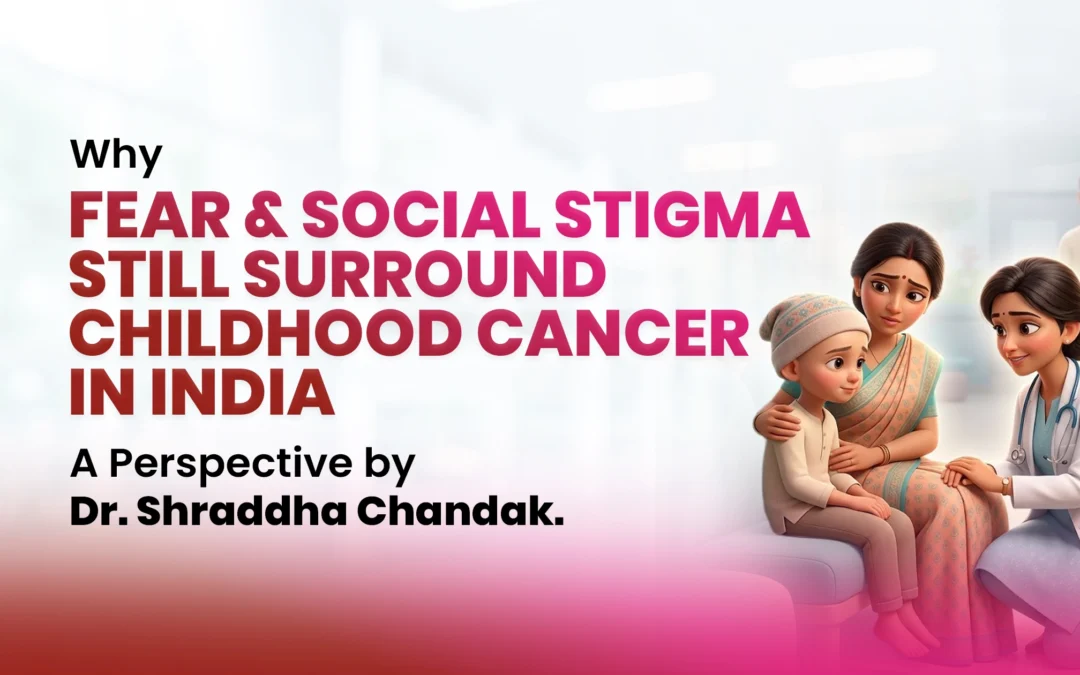
Despite major advancements in medical science, childhood cancer continues to be surrounded by fear, myths, and social stigma in many parts of India. Families often hesitate to discuss the diagnosis openly, and in some cases, delay seeking proper treatment due to misinformation or social pressure.
According to Dr. Shraddha Chandak, one of the biggest challenges in paediatric oncology is not only the disease itself but also the fear and misunderstanding that accompany it.
Creating awareness about childhood cancer is essential to ensure that children receive timely treatment and families receive the support they need.
Understanding Childhood Cancer
Childhood cancer refers to cancers that occur in children and adolescents. Some of the commonly diagnosed types include:
- Leukaemia (blood cancer)
- Lymphoma
- Bone tumours
- Brain tumours
- Kidney tumours
With modern treatment protocols, many childhood cancers today are treatable, especially when diagnosed early.
However, fear and stigma sometimes prevent families from reaching medical care at the right time.
Why Fear Around Childhood Cancer Still Exists
Several factors contribute to fear and social stigma around childhood cancer in India.
Lack of Awareness
Many families believe cancer always leads to fatal outcomes. This perception discourages them from seeking early consultation.
Social Misconceptions
In some communities, cancer is still associated with:
- Bad luck or fate
- Social shame
- Isolation from relatives or neighbours
Such beliefs can isolate families during a time when support is most needed.
Fear of Treatment
Parents often worry about:
- Chemotherapy side effects
- Long hospital stays
- Financial burden
These concerns sometimes delay medical decisions.
The Emotional Burden on Families
A childhood cancer diagnosis affects the entire family. Parents may experience:
- Anxiety about their child’s future
- Fear of social judgement
- Emotional exhaustion during treatment
Children themselves may sense the tension and develop fear around hospitals or procedures.
Open communication and supportive environments are therefore essential.
Why Awareness Is Crucial
Improving awareness about childhood cancer can help families understand that:
- Early diagnosis improves treatment outcomes
- Modern therapies are increasingly effective
- Emotional and community support can make a difference
Education helps replace fear with informed decision-making.
The Role of Doctors and Healthcare Institutions
Paediatric haemato-oncologists play an important role in addressing stigma by:
- Providing clear and honest information
- Supporting families emotionally
- Encouraging early testing and diagnosis
- Creating awareness about treatment options
Building trust between doctors and families helps reduce anxiety and misinformation.
How Society Can Support Families
Communities can help reduce stigma by:
- Offering emotional support instead of isolation
- Encouraging families to seek medical care early
- Spreading accurate information about childhood cancer
- Supporting awareness initiatives and community programs
A supportive social environment improves the child’s overall wellbeing during treatment.
A Message for Parents
Parents should remember that seeking medical evaluation early is the most responsible step they can take. Cancer is a medical condition not a social label.
According to Dr. Shraddha Chandak, awareness, timely diagnosis, and compassionate support can significantly change the journey for children battling cancer.
Final Thought
Fear and stigma should never stand in the way of a child receiving the care they need. By promoting awareness and encouraging open discussions about childhood cancer, society can help families move from fear toward hope, support, and timely treatment.
Understanding replaces stigma and awareness saves lives.