
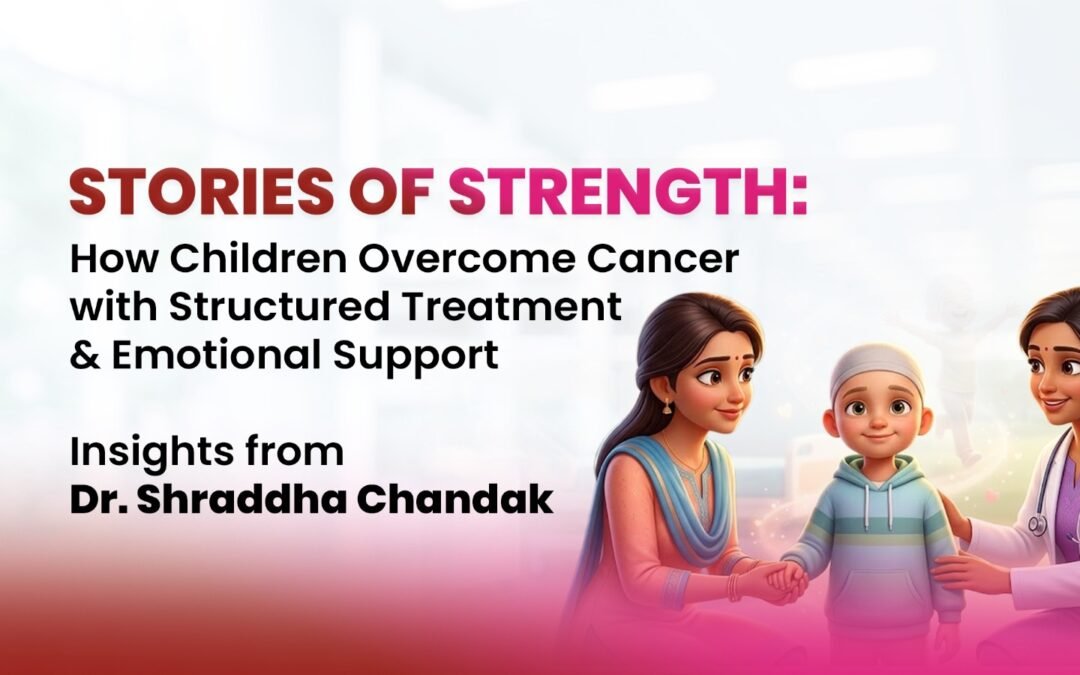
A diagnosis of childhood cancer is one of the most difficult moments any family can experience. Fear, uncertainty, and countless questions often arise immediately after the diagnosis. Yet within paediatric oncology centres across India, there are also many stories of resilience, determination, and recovery.
According to Dr. Shraddha Chandak, overcoming cancer in children is rarely about a single treatment milestone. It is about structured medical care, consistent monitoring, and strong emotional support from families and caregivers.
Every child’s journey is different, but many children demonstrate remarkable strength throughout treatment.
The Importance of Early Diagnosis
One of the most important factors influencing outcomes in childhood cancer is early detection.
When symptoms such as the following are evaluated promptly:
- Persistent fever
- Unusual bruising or bleeding
- Extreme fatigue
- Swollen lymph nodes
- Bone pain
- Unexplained weight loss
doctors can begin diagnostic tests earlier and initiate treatment in a timely manner.
Early diagnosis allows doctors to plan treatment with greater clarity.
Structured Treatment Protocols
Paediatric cancer treatment follows well-established clinical protocols designed to maximise safety and effectiveness.
These may include:
- Chemotherapy
- Targeted medications
- Blood transfusions
- Bone marrow evaluation
- Regular laboratory monitoring
Dr. Shraddha Chandak emphasises that adherence to structured treatment schedules is critical. Interruptions or delays can affect treatment outcomes.
Consistency plays a major role in recovery.
Emotional Support During Treatment
Children undergoing cancer treatment face not only physical challenges but emotional ones as well. Hospital visits, procedures, and side effects can be stressful for young patients.
Emotional support helps children:
- Cope with hospital routines
- Maintain confidence during treatment
- Stay motivated throughout therapy
Parents, caregivers, and healthcare teams all contribute to creating a supportive environment that reassures the child during difficult phases.
The Role of Family Strength
Families play an important role in a child’s recovery journey. Children often draw emotional strength from the stability and reassurance provided by their parents.
Families that remain:
- Informed about treatment
- Consistent with follow-ups
- Supportive during difficult phases
help children adapt better to the demands of long-term therapy.
Dr. Chandak often observes that emotional resilience within the family can positively influence the child’s outlook during treatment.
Life After Treatment
Completing treatment is an important milestone, but follow-up care continues to play a crucial role.
Post-treatment monitoring may include:
- Periodic blood tests
- Regular medical evaluations
- Monitoring for long-term health effects
With proper follow-up, many children who undergo cancer treatment gradually return to school, activities, and normal childhood experiences.
Building Awareness Around Childhood Cancer
Sharing stories of recovery and resilience helps reduce fear and stigma surrounding childhood cancer. It encourages families to seek early medical advice and understand that treatment pathways exist.
Awareness initiatives by doctors, hospitals, and organisations contribute to improving early detection and community support.
Final Thought
Childhood cancer is a challenging journey, but it is not without hope. With early diagnosis, structured treatment protocols, and strong emotional support, many children successfully navigate this difficult phase and continue to grow, learn, and thrive.
According to Dr. Shraddha Chandak, every child fighting cancer carries a story of courage and every story reminds us why awareness, timely treatment, and compassionate care matter so deeply.