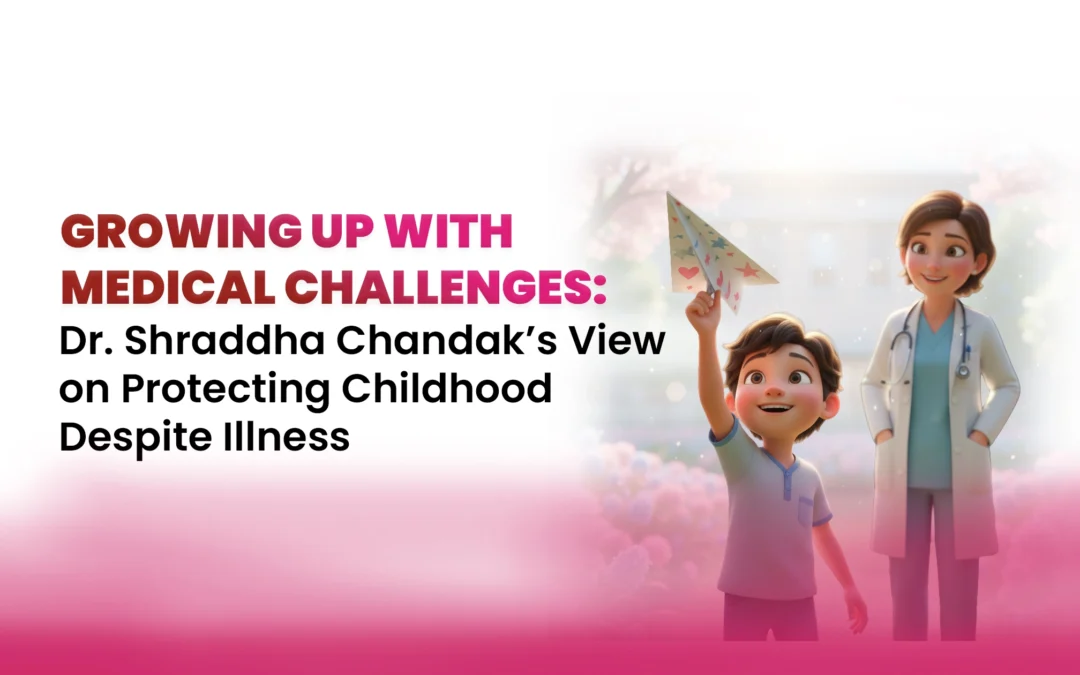
When a child grows up with medical challenges—frequent hospital visits, long treatments, repeated tests—the risk is not only physical. There is also a quiet risk of childhood being overshadowed by illness.
According to Dr. Shraddha Chandak, one of the most important responsibilities of paediatric care is ensuring that illness does not replace childhood itself.
Medical challenges may shape a child’s routine, but they should never define a child’s identity.
A Child Is More Than a Medical File
In clinical settings, children are often discussed in terms of:
- Reports
- Numbers
- Diagnoses
- Treatment protocols
While these are necessary for care, Dr. Chandak emphasizes that children experience illness very differently than adults.
To a child:
- Hospitals can feel intimidating
- Procedures can feel frightening
- Repeated attention can feel isolating
Protecting childhood means remembering that behind every diagnosis is a developing mind and personality.
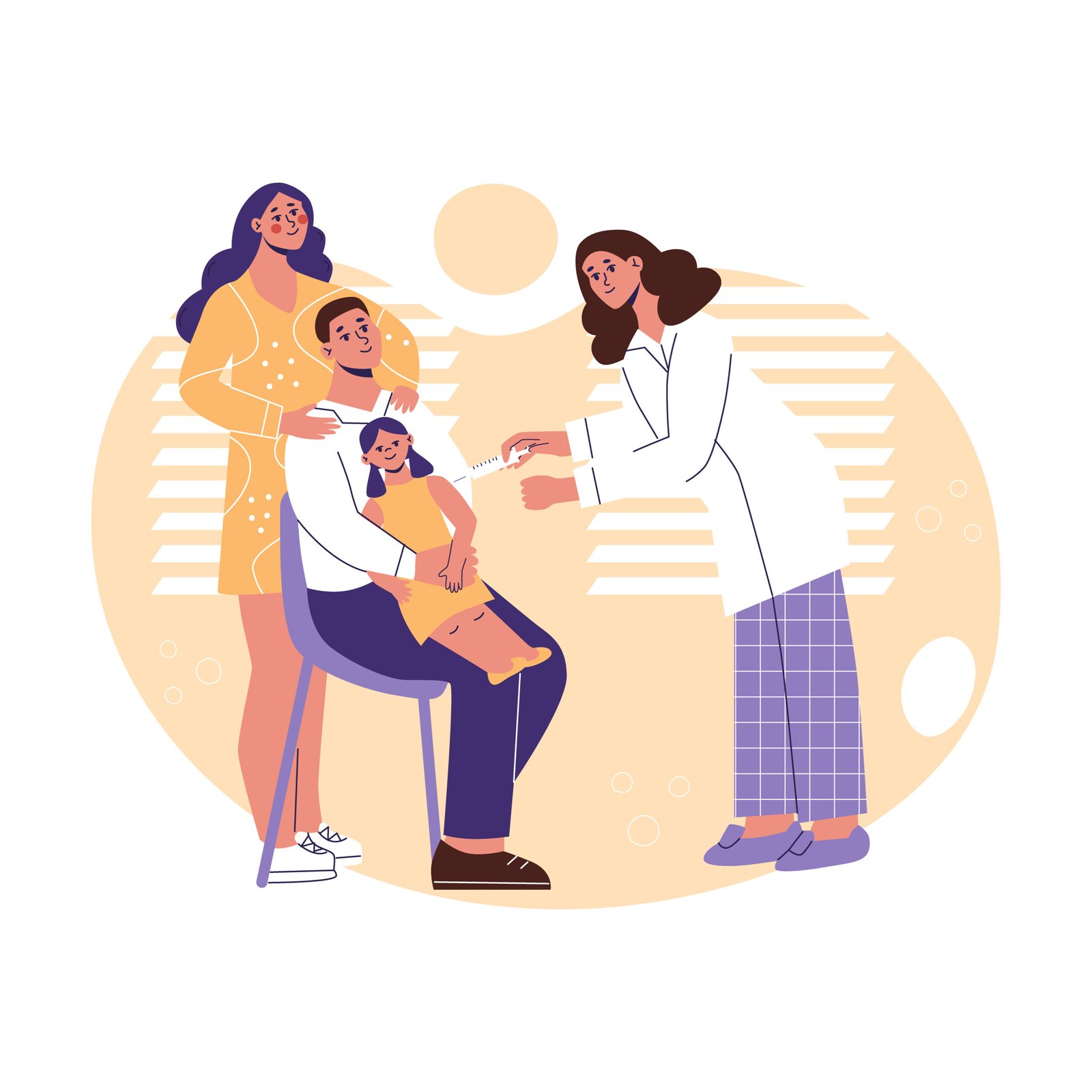
Why Childhood Needs Protection During Illness
Childhood is a critical period for:
- Emotional development
- Social interaction
- Confidence building
- Identity formation
When illness dominates every aspect of life, children may begin to:
- See themselves as “different”
- Fear normal activities
- Withdraw socially
- Associate their identity only with illness
Dr. Chandak believes that medical care should adapt around childhood—not the other way around.
Preserving Normalcy Wherever Possible
One of the simplest yet most powerful tools in protecting childhood is normalcy.
This includes:
- Encouraging school attendance when feasible
- Allowing play and hobbies
- Maintaining friendships
- Celebrating milestones
- Avoiding constant reminders of illness
Even small moments of normal life provide emotional strength during long medical journeys.
Honest Communication Without Fear
Children sense when things are hidden from them.
Dr. Chandak advocates for:
- Age-appropriate explanations
- Honest but reassuring conversations
- Avoiding frightening medical language
- Allowing children to express emotions
When children understand what is happening, fear reduces and cooperation improves.
The Parent’s Role in Shaping the Child’s Outlook
Parents are the emotional mirror for children.
When parents:
- Remain calm
- Communicate confidently
- Avoid panic-driven behaviour
- Focus on what the child can do
Children feel safer and more secure.
Dr. Chandak often reminds parents that how illness is framed at home influences how the child lives with it.
Avoiding the Trap of Over-Identification With Illness
While care and caution are necessary, constant focus on illness can unintentionally limit a child’s growth.
Children should not grow up hearing:
- “You can’t do this because you are sick”
- “Be careful, you are different”
- “Your body is weak”
Instead, children benefit from messages of:
- Capability
- Adaptability
- Strength
- Possibility
Illness may be a part of life—but it should not become the child’s label.
Long-Term Impact of Protecting Childhood
Children who are supported emotionally during medical challenges often:
- Develop stronger coping skills
- Show better treatment adherence
- Build resilience
- Transition into adulthood with confidence
Protecting childhood today shapes emotional well-being for years to come.
A Message for Parents Across Marathwada
Families across Marathwada and Maharashtra are raising children in the face of medical uncertainty with remarkable strength. Dr. Chandak encourages parents to remember that their child’s laughter, curiosity, and individuality are just as important as medical milestones.
Healing is not only about recovery it is about growing up whole.

Final Thought
Growing up with medical challenges does not mean growing up without joy, confidence, or dreams.
According to Dr. Shraddha Chandak, when childhood is protected alongside treatment, children do not just cope with illness—they continue to grow, adapt, and thrive.
And that, ultimately, is the true success of paediatric care.