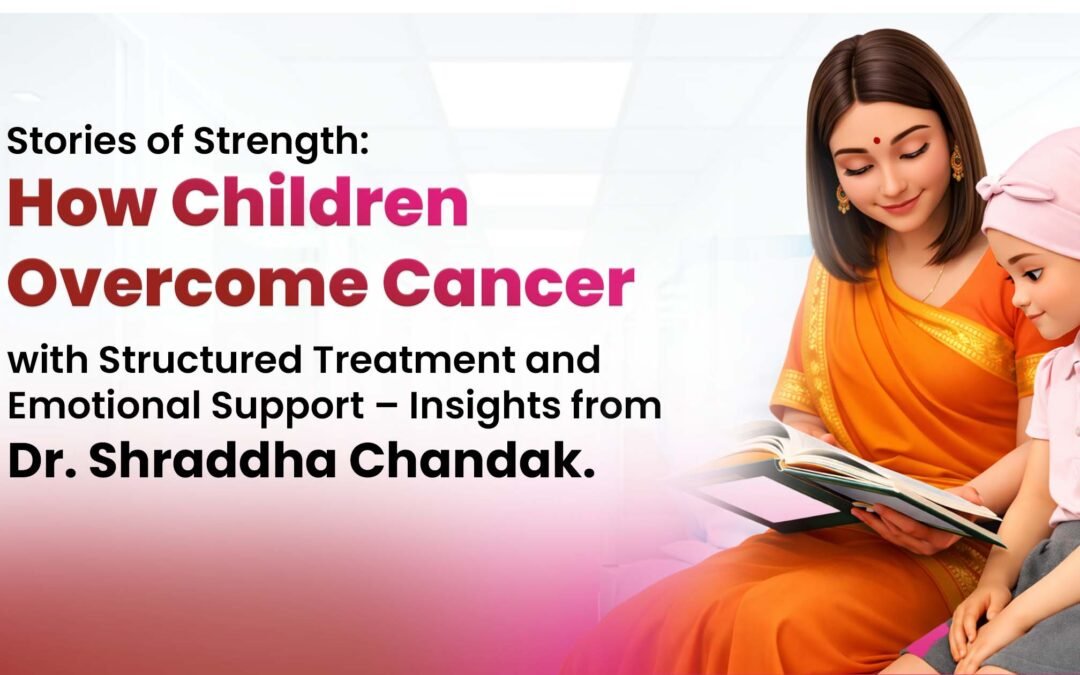
When people hear the words childhood cancer, fear often becomes the first emotion. Yet within paediatric oncology clinics, there are also stories of resilience, courage, and structured recovery.
According to Dr. Shraddha Chandak, overcoming cancer in children is rarely about a single breakthrough moment. It is about systematic treatment, timely intervention, and consistent emotional support.
Childhood cancer journeys are challenging but they are not defined only by difficulty. They are also defined by strength.
Early Diagnosis Makes a Difference
One of the most consistent patterns seen in successful outcomes is early diagnosis.
Children who are evaluated early for:
- Persistent fever
- Unusual bruising
- Fatigue
- Swollen lymph nodes
- Recurrent infections
often begin treatment at a stage where structured therapy can be most effective.
Timely evaluation reduces complications and builds a clear treatment roadmap.
Structured Treatment Protocols Matter
Paediatric cancer treatment is not improvised. It follows:
- Evidence-based chemotherapy protocols
- Risk stratification models
- Regular blood monitoring
- Response-based adjustments
- Multidisciplinary evaluation
Dr. Chandak emphasises that adherence to structured protocols significantly improves outcomes in childhood cancers such as leukaemia and lymphoma.
Consistency is key.
Emotional Support Strengthens Recovery
Children undergoing cancer treatment often experience:
- Fear of procedures
- Fatigue
- Social isolation
- Changes in appearance
Emotional support from parents, caregivers, and medical teams plays a critical role.
Children who feel reassured and informed tend to:
- Cooperate better with therapy
- Adapt to hospital routines
- Maintain resilience
Psychological wellbeing directly influences treatment tolerance.
The Role of Family Stability
Family attitude shapes the child’s mindset.
When parents:
- Stay informed
- Avoid panic-driven decisions
- Maintain routine where possible
- Encourage normal activities within limits
Children develop confidence despite medical challenges.
Dr. Shraddha Chandak often notes that the strongest recoveries occur when medical structure and family support work together.
Monitoring and Follow-Up Are Crucial
Overcoming cancer does not end with remission.
Long-term follow-up includes:
- Regular blood investigations
- Monitoring for relapse
- Managing late treatment effects
- Supporting reintegration into school and social life
Structured follow-up protects the gains achieved during treatment.
Every Journey Is Unique
While survival rates for many paediatric cancers have improved significantly, every child’s journey is different.
Treatment plans vary based on:
- Cancer type
- Risk category
- Age
- Response to therapy
Personalised planning increases the likelihood of stable recovery.
A Realistic Yet Hopeful Outlook
Hope in paediatric oncology is not blind optimism. It is built on:
- Scientific advancement
- Structured protocols
- Early intervention
- Comprehensive care
According to Dr. Shraddha Chandak, resilience in children is extraordinary — but it flourishes best when supported by expertise and emotional care.
Final Thought
Childhood cancer is a serious medical condition — but it is not always the end of a child’s story.
With early diagnosis, structured paediatric oncology treatment, and strong emotional backing, many children complete therapy and move forward into school, adolescence, and adulthood.
These stories of strength remind families that while the journey may be demanding, structured care and support create pathways to recovery.